Daniel Trego is an Educational Media Design Specialist at Michigan State University, where he works with faculty to design effective media for teaching and learning. His areas of expertise include video and audio production and web design, while his background in Applied Linguistics, curriculum design and Spanish instruction continues to shape his work in educational technology. He also works with the iOS Design Lab, teaching and mentoring students at the intersection of design thinking, app development and programming. Throughout his work, Trego has remained interested in storytelling, creativity and the ways technology can help people bring their ideas to life.
If there’s one thing that’s been consistent throughout my life, it’s curiosity. I’ve always had a hard time limiting myself to just one area of interest. I’ve worked in construction, taught Spanish, studied linguistics, and worked as a freelance web designer and photographer, along with plenty of other things I’ve gotten interested in along the way. They might not seem to have much in common, but I’ve always enjoyed figuring out how things work, how they connect, and what I can do with what I learn.
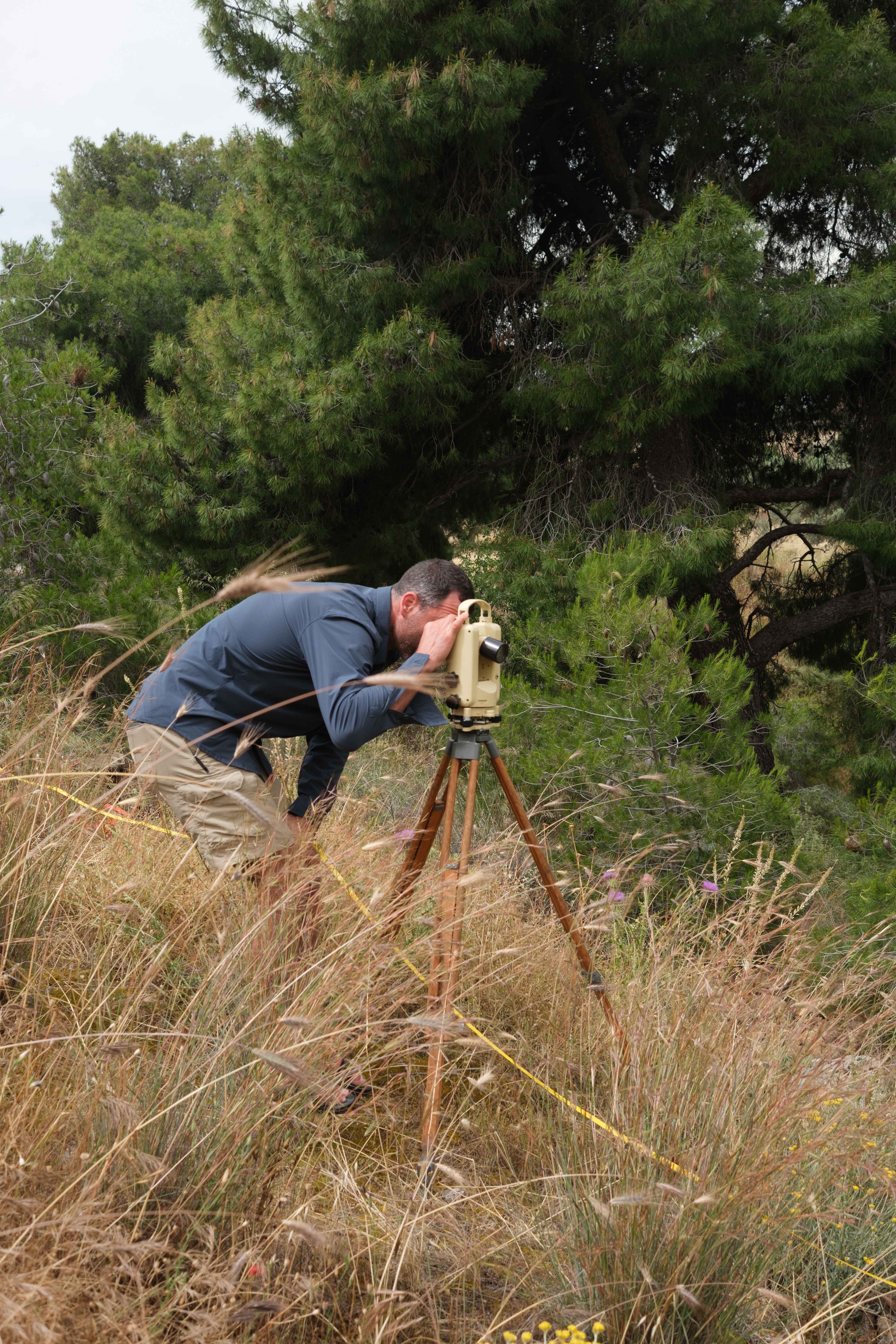
For a long time, I was actually frustrated by having so many different interests. I felt like I should probably pick something and focus on it. But I’ve started to see that curiosity as a strength. Something I learn in one area often turns out to be useful somewhere completely different. And some of the most interesting things I’ve worked on have come from making connections I wouldn’t have expected.
I think that’s also why I’ve been drawn to technology and photography. They’ve given me ways to explore all kinds of different subjects and opportunities to meet people I might never have encountered otherwise. I’m not particularly interested in knowing everything a technology can do. I want to understand enough to start creating with it, see what happens and learn along the way. Sometimes I have a pretty clear idea of what I’m trying to make. Other times I’m just curious and want to see where it leads.
Storytelling became another part of that process later in my career. I started working with a cross-cultural documentary storytelling team in a technical role, helping with cameras and equipment. Somewhere along the way, I found myself becoming more interested in what people were saying than in the equipment we were using to capture it. I was fascinated by how much life an interview could bring to an otherwise straightforward story. People’s voices, the details they shared and the context around their experiences could completely change how you understood something.
I learned how much context matters. Two people can hear the same story and come away with completely different understandings of it. I became interested in how storytelling could help bridge that gap, giving people enough context to see something from another perspective, even if they don’t necessarily agree with it.
Over time, photography and technology became ways for me to explore all kinds of different interests. I’ve experimented with documentary photography, photogrammetry, 3D scanning, motion capture and interactive environments. I don’t necessarily start these projects knowing what the final product will be. Usually, I’m curious about something and want to understand it better. The technology gives me a way to explore it, and often introduces me to people and subjects I might never have encountered otherwise.
And when I find something interesting, I want to share it.
For more than two decades, my wife and I have been involved with Bitterswe
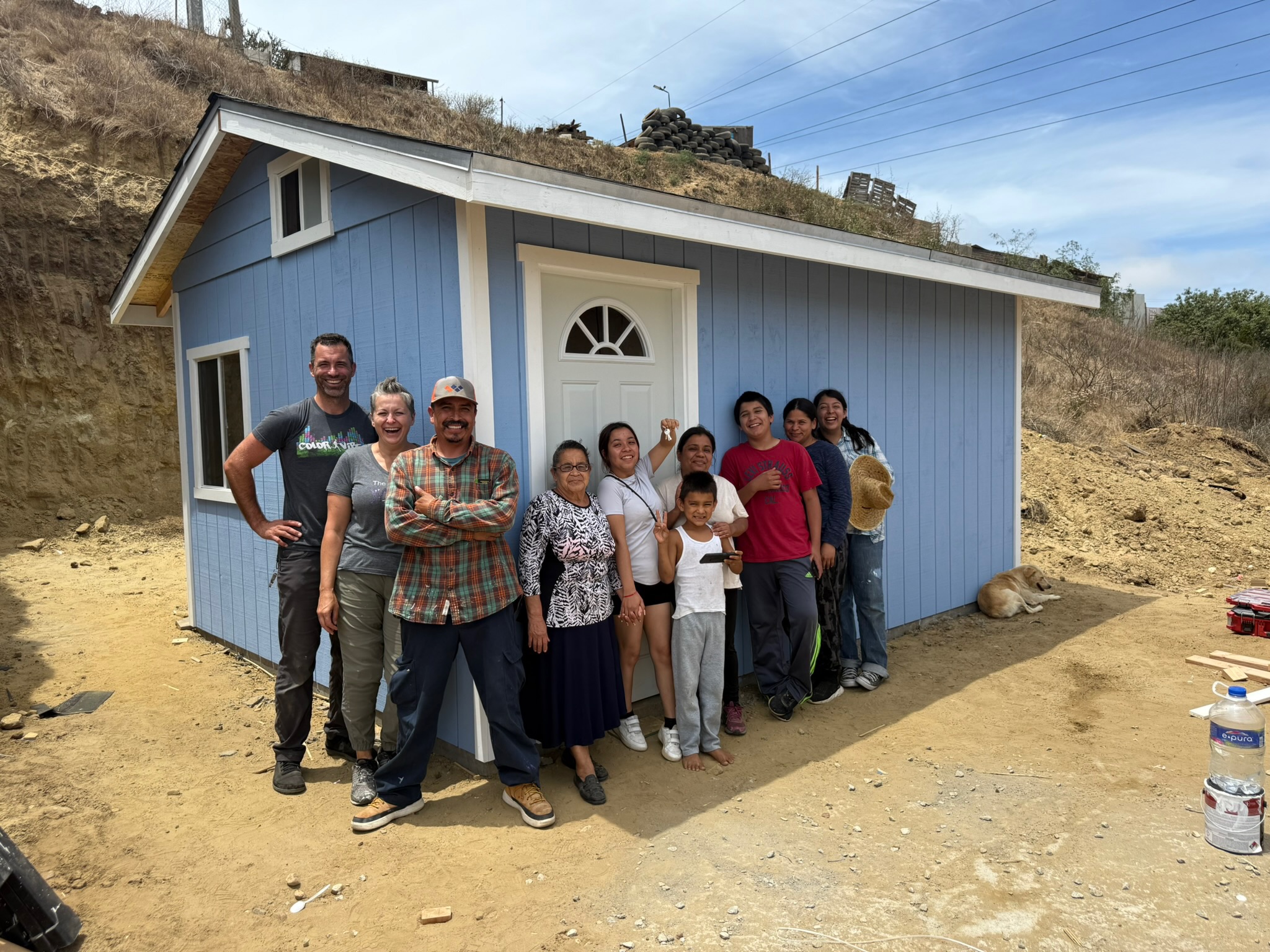
et Ministries, a nonprofit working alongside communities in Tijuana, Mexico. We’ve helped lead the organization for much of that time, supporting locally led initiatives focused on education, housing and community development. We’ve built relationships with people and families over many years, and I’ve learned how important it is to listen and understand the context of people’s lives rather than arrive with our own assumptions about what they need.
Photography has also been part of how I’ve experienced and shared that work. Spending time with people, listening to their stories and photographing everyday life has made me more aware of how much we miss when we only see a place or community from the outside.
In Greece, I’ve worked with students and archaeologists documenting ancient sites and artifacts through photography, video and 3D models. I was drawn to the places themselves, the people working there and the stories behind what we were seeing. Photography became a way to spend time looking more closely. That work eventually led to photography exhibitions in Michigan and Greece, allowing other people to encounter some of what I had discovered.
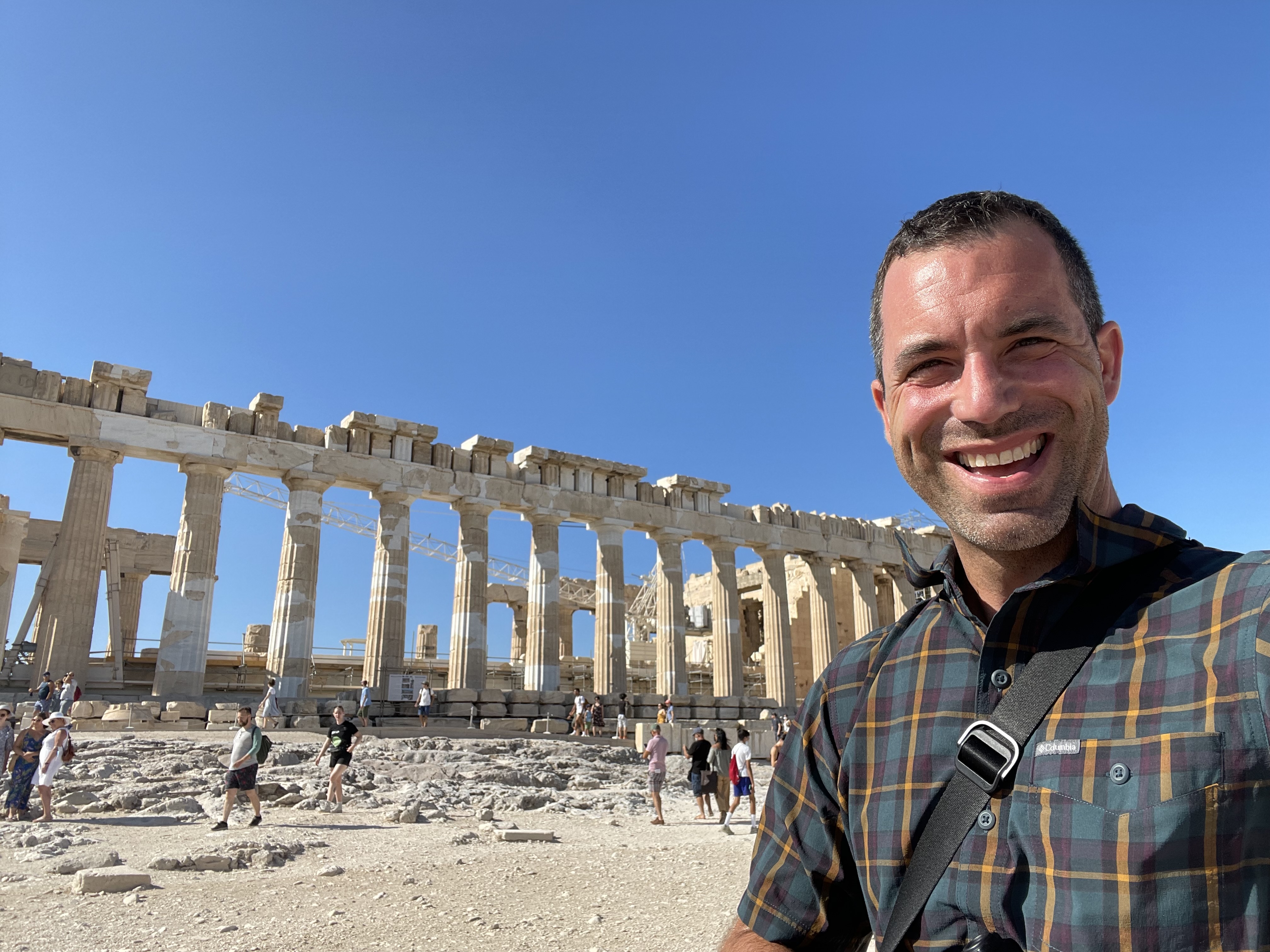
The 3D work grew out of a similar curiosity. Photogrammetry and digital environments gave us different ways to explore archaeological sites and objects, while also allowing people who might never visit those places to experience them. I’ve found that a photograph, a 3D model and an interactive experience can each reveal something different about the same place.
I’ve also explored motion capture with students and faculty, using technology to look at movement and dance in different ways. I enjoy projects like these because they bring together things that don’t always seem connected. A technology developed for one purpose can become a way to explore something completely different.
I think that’s what connects a lot of my work. I’m usually exploring something because I’m interested in it myself. Photography, cameras and digital technologies give me ways to look more closely and discover things. Sharing what I find becomes another part of that process.
Those experiences connect to how I approach teaching and working with students at Michigan State. As an Educational Media Design Specialist, I work with faculty to explore how digital media can be used in teaching and learning. I also work with the iOS Design Lab, where I teach and mentor students exploring design, app development and programming. I like bringing ideas from one project into another, and I don’t always know where those connections will lead.
When I was first invited to teach entrepreneurship, I hadn’t really thought of myself as an entrepreneur. I’d worked in a lot of different areas, built things, started projects and experimented with ideas, but I never really described any of that as entrepreneurship.
As I started teaching, I realized how much of what I’d been doing throughout my life was connected to it. I was just using a different language. I was curious about something, saw an opportunity, tried to create something and figured things out along the way. Sometimes that meant bringing people together or learning something completely new. I hadn’t necessarily thought of those experiences as entrepreneurial, but I started to recognize how much they had in common.
I think that realization has shaped how I teach. I want students to see entrepreneurship as something broader than starting a business. It’s about recognizing opportunities, making connections, creating something and seeing whether it brings value to other people. There are a lot of ways to do that.
I think storytelling is especially important for entrepreneurs because they’re often trying to explain something that doesn’t exist yet. A story can help someone understand an idea, but it can also reveal where that idea needs more work. Listening matters just as much. Customers already have their own stories, needs and frustrations. If you’re not willing to listen, you’re going to miss things that could change what you’re building.
That same willingness to adapt is important in the classroom. Teaching forces me to test ideas instead of just thinking about them. There’s a schedule, students are going to show up and I have to actually try things. Students ask questions I hadn’t anticipated, projects take longer than planned and sometimes we need a different approach.
I don’t see those moments as failures. Students bring experiences and perspectives I don’t have. I don’t want them to just test something I’ve already figured out. I want them to change it, challenge it and take it somewhere I wouldn’t have gone on my own.
When I work with student entrepreneurs, I’m often less interested in deciding whether an idea is good or bad than in understanding what happens around it. I think almost every idea is interesting to some extent. What makes an idea become something more is the context around it. The people it connects with, the opportunities it creates and whether it brings value to someone. Sometimes another person recognizes something valuable in an idea that the person developing it hasn’t noticed yet.
Technology will continue to change, but I don’t think technology itself should be the reason for doing something. I’ve come to believe in falling in love with problems instead of solutions. When you fall in love with a solution, you want to defend it. When you’re committed to understanding a problem, you’re more willing to change your approach as you learn.
One thing I hope students take away from working with me is the mindset that they might not know how to do something yet, but they can figure it out. That word, “yet,” matters. It leaves room to experiment, make mistakes and learn along the way.
Photography and technology have given me opportunities to meet people, explore places and learn about things I might never have encountered otherwise. Those experiences keep finding their way into other parts of my work. I think that’s what I enjoy most: following something that interests me, seeing where it leads and sharing what I discover. And sometimes the most interesting part is what someone else finds in it, something I might never have noticed myself.